
EV Charging or Electric vehicles are becoming increasingly noticeable on the roads. With 1.94 million electric vehicles sold worldwide in 2019, the electric car market is expected to represent 30% of all car sales in Canada by 2030. Yet, with such an increase in sales comes EV charging, especially in your home. Despite the current social distancing measures taking place, most of us spend hours upon hours in our vehicles driving to and from work every week, so EV charging within our homes is of the utmost importance.
Before you set up your home for EV charging, here are 5 things you should know.
1. Consider your home eligibility
Not every home is able to have electric vehicle charging. Before doing electrical work, you may need to have a homeowner permit before starting.
2. Pay a visit to your electrical panel
Before selecting a charger, you will need to determine if there is enough space on your electrical panel have a circuit breaker for your EV charging. If there is not enough space, you will need to contact a licensed electrician for support.
3. Determine which charger your home can handle
Electric vehicles require a connection to an electrical system to charge. There are three different options to select from for your home:
- Level 1 charge. Level 1 uses a standard connection to a 120-volt outlet. As such, this charges quite slowly, about 8-10 km per hour. Depending on your vehicle, charging with a Level 1 can take upwards of 12 hours to receive a full battery. Level 1 is used mostly in homes, for those who can afford to spend the time waiting for your vehicle to charge. Level 1 is best used for vehicles that will be parked overnight, getting ready for the next day.
- Level 2 charge. Level 2 uses a 240-volt outlet, so it charges faster than Level 1. Level 2 charges at about 30 km per hour, yet can still take over 6 hours to receive a full charge. This option is typically used in homes, businesses and common areas. If you live within a strata, Level 2 is generally used with common area charging options, available through ChargePoint, for example.
- Level 3 charge. Otherwise known as Fast Chargers, Level 3 is used mostly in businesses and common areas. These are speedy, and can charge 100 km every 30 minutes. This uses a direct current connection to an existing electrical system.
4. Understand your options for a BC EV Charger Rebate
The Government of BC has funding available for the EV charger program. This program is applicable to single family homes, townhouses or duplexes, as well as apartments. To apply, you must have the proof of a charger purchase, proof of installation or inspection, and a contractor installation form or certificate of inspection. You have 90 days from the charger installation date to submit a rebate application. To learn more, click here.
5. Consider the re-sale value of having an EV charger in your home
Before you install an EV charging station, consider the opportunity to increase the re-sale value of your home. Having an EV charger is not only forward-thinking, it also allows a potential home buyer to consider the upside of not needing to apply for and install a charger in the future. With this, you may consider investing in a charger that can withstand the test of time. Consider durability, a long charging cord, speed, cost and potentially being outdoor rated. Charging stations come with plenty of alternatives to select from, so be sure you are making a decision that takes into consideration the re-sale value of your home in the future.
Electrical car deployment has been increasing around the world. 2020 is set to be the year of the electric car, according to analysts. While this is still a relatively new and innovative method of driving in Canada, it is important to consider how driving with an electric vehicle in the future will impact your home, primarily through an EV charging system.
While our tips above are important considerations to make before installing an EV charging system, it is essential that you consult with an electrician prior to making any significant changes in your home. Hiring a certified electrician could help make your experience much easier. To learn more about finding a certified electrician, click here.
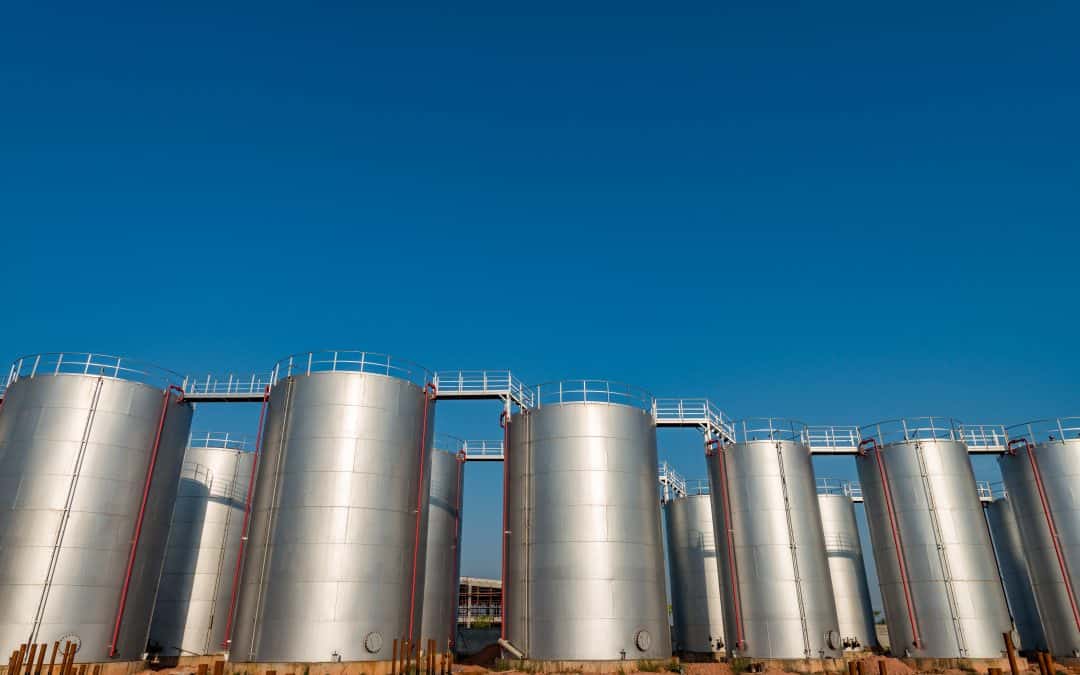
Most commercial and farm operations have a petroleum product storage facility on their business land. This could be in the form of a tank holding system for gasoline or diesel fuel, or a barrel holding oil storage. If you don’t have this on your premise, connect with us here.
Without a proper storage plan, this type of handling can present a danger to public health. This applies to many industries, like industrial, commercial, marine, logging, transportation and more. Read on to discover what you need to know prior to embarking on an oil storage system for your business.
When preparing your oil storage for the Spring, here are things to consider as a business.
1. There are two types of storage
For petroleum product storage tanks, there are two types of storage options available – underground and above ground. An underground tank is installed so that at least 50% of the mass is below ground level. An above ground tank is located at or above the grade of ground level.
2. Western Oil works with businesses like yours to install on-site offerings
Western Oil has a traditional focus on retail gas operations and has expanded over the recent years. We are experienced in the replacement or upgrade of older systems.
With the rapid growth of industries mentioned above, having back-up systems that are located off-site are not always optimal. That’s why we provide equipment and install services for fluid storage and handling systems.
We install the aforementioned underground of above ground storage tanks, as well as dispensing systems that are essential for commercial customers.
3. The location of your storage tank is important
Undoubtedly, the location of an oil storage tank on any property is subject to regulations. Working with an expert team, you will have a greater understanding of not only where you can place your storage, you will also understand safety procedures around how to navigate storage as a business.
4. Keep your oil storage tank system in good condition
Whether underground or above ground, it is important that your system remains in clean and good condition. We provide preventative maintenance inspections (PMIs) on such fuel systems to ensure that your system is well maintained and that problems attributed to wear and age will be remedied before you have a breakdown.
In addition to PMIs, every operator or an oil storage system must perform the following, in accordance with BC Law:
(Reference: Environmental Management Act – PETROLEUM STORAGE AND DISTRIBUTION FACILITIES STORM WATER REGULATION)
Management of the separator system
- Subject to subsection (2), every operator must do all of the following:
- visually inspect the separator system weekly, looking for any evidence of petroleum bypass or any other condition which might indicate malfunctioning of the separator;
- take action to correct any malfunction noticed under paragraph (a);
- measure monthly the thickness of accumulated petroleum on the surface of the separator;
- measure monthly the thickness of accumulated sludge in the bottom of the separator;
- measure the thickness of petroleum on the surface of the separator immediately following an accidental discharge of petroleum to the separator;
The above is an excerpt, though information to be aware of when it comes to overall maintenance.
5. Consult with a professional prior to getting started
While the Environmental Management Act clearly outlines what needs to be done and made aware of when conducting oil storage on your property, it is important to consult with a professional as you navigate storage and overall maintenance.
At Western Oil Services, we work with clients like Coast Mountain Bus, Windset and Otter Co-op for overall support with retail and commercial maintenance.
If you are undergoing oil storage maintenance or installation this Spring for your retail or commercial property, or if you have questions about your current oil storage facility, contact us here to meet with one of our experienced professionals.
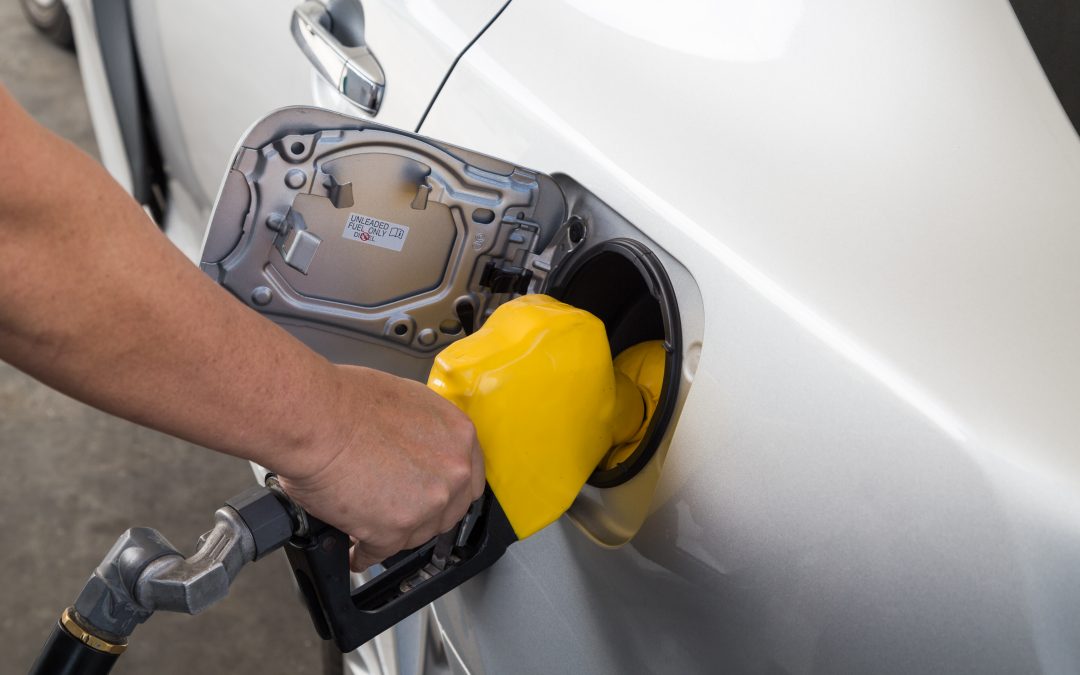
With so many options available to vehicle drivers, from truck makes and models to engine requirements and more, consumers are taking a long, hard look at what suits their needs and lifestyle. One of these options, and at the top of many lists, is the selection of a gasoline vs diesel vehicle.
Over the last decade, North American manufacturers have developed many vehicles with impressive diesel options that is cleaner than it ever has been, while others vehicles can provide a combination of gasoline engines and hybrid availability, too.
With these options on the market, how should you decide which option is best for you?
Gasoline vs Diesel – How It Works
Gasoline and diesel engines are very similar. They both utilize internal combustion engines that convert fuel into energy. The difference, however, is the way in which this process takes place.
In a gasoline engine, the fuel is combined with air and ignited by sparks from the spark plugs. In a diesel engine, the air is compressed and then the fuel is injected; when the air heats, it is compressed and the fuel is ignited.
Knowing this, and understanding the evolution that diesel vehicles have gone through over the last decade, how should you decide whether a gasoline vs diesel vehicle is for you?
Gasoline vs Diesel – 5 Things to Know
1. You can go further with diesel
Diesel packs a punch when compared to gasoline. It contains more energy, so less is needed when driving. Diesel vehicles can go 20% to 35% farther on one gallon of fuel compared to gasoline vehicles. Of course, variables are highly dependent on your driving style, highway or city driving, and engine type.
2. Yet, maintaining a diesel vehicle may cost more
Diesel engines have components that are not found on gasoline vehicles, and can require service more often. Gasoline engines typically can wait longer than diesel vehicles for pieces like engine oil, coolant and spark plugs.
Overall, there needs to be more maintenance with a diesel vehicle. Be prepared to save some extra cash if purchasing this option.
3. Diesel vehicles can provide better performance
Performance, when looking at towing capacity, is a more suitable selection with a diesel vehicle. This option has an advantage with torque, which means it is the preferred option for pulling heavy loads.
Diesel engines are often used in big trucks, as they are the preferred option to move heavy loads. With this said, diesel engines do not rev very high, so they create less horsepower on average versus gasoline engines.
4. Environmental impact to be considered
Diesel vehicles have had a somewhat negative reputation historically. Remember “diesel gate“, when the Environmental Protection Agency (EPA) discovered that many Volkswagen vehicles were being sold with software that could detect when they were being tested? This changed the performance to improve results, which is an ultimate cheat of the emissions test.
Since then, diesel vehicle manufacturers have made a considerable effort to ensure compliance with regulations. As such, the comparison on the environmental impact of gasoline vs diesel is very similar.
Diesel, while emitting more greenhouse gas emissions than gasoline, does have a competitive edge due to the higher energy content per gallon results. When comparing new vehicles, therefore, a diesel vehicle is compatible to the greenhouse emissions of a fuel vehicle.
5. The selection of vehicle models is better than gasoline
When searching for options, from sedans to big rig trucks and everything in between, there are undoubtedly more options with fuel-powered vehicles. Diesel represents a very small percentage of the overall fleet. In one study of over 16.4 million passenger cars and light trucks sold within the United States, a mere 3% of total auto sales were from diesel vehicles. Diesel is more popular with the medium and heavy trucks, representing approximately 72% of trucks with a vehicle weight of 10,001 and above within the United States. As such, the selection of vehicle models is better than gasoline, depending on what sort of vehicle you are looking for.
When selecting whether gasoline vs diesel is best for you, consider the five points above. Of course, as with any vehicle, the choice is in the hands of the consumer as to which option best suits their lifestyle and overall need.
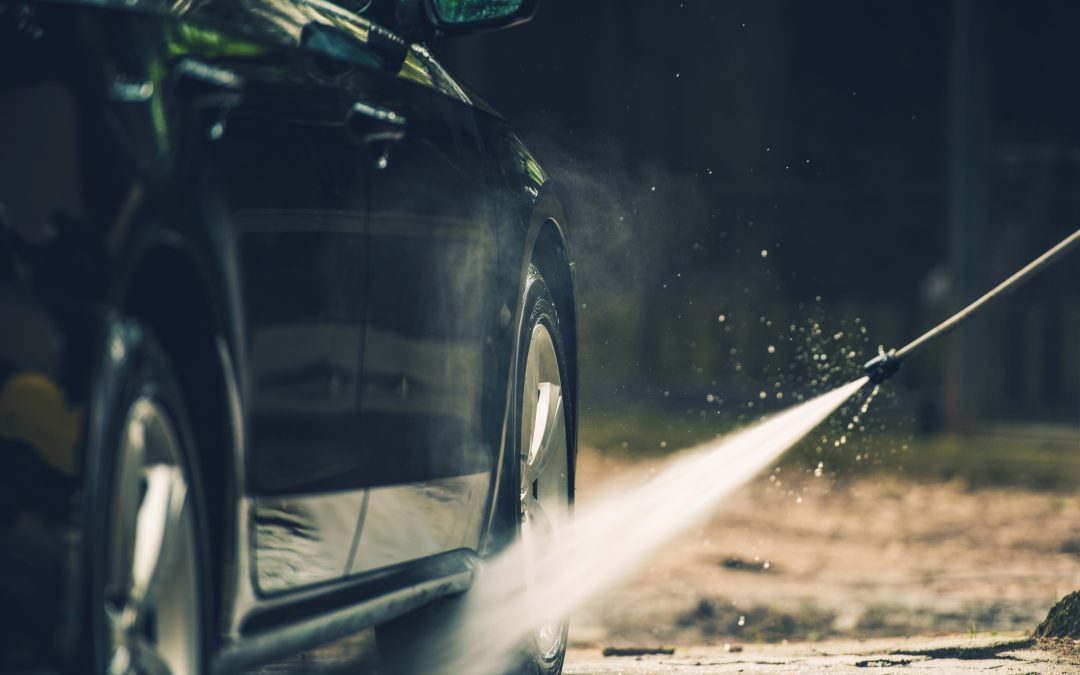
Car Washing in Winter: Look out your window and you’ll likely see snow and ice removal salt within your peripheral. From salt trucks to at-home methods, winter salt can work wonders for safety and stability when driving, though can pose a long-term risk to your vehicle if not maintained diligently. With that said, who wants to consider car washing in Winter with the cold temperatures like we have recently experienced?
Car washing doesn’t need to be retracted to being outdoors; there are plenty of other ways to maintain your vehicle.
Here are 5 tips from professionals on car washing in Winter
-
Replace your interior carpets with rubber.
Winter can bring dirt, salt, slush, and snow into your vehicle. Cleaning it up can be a hassle. Many car owners switch to rubber floor mats. They help keep your vehicle clean and prevent stains on the carpets.
-
Wash your car often.
Washing your vehicle in the cold can be annoying, but it’s essential. Regular washes remove salt and protect your car. Aim to wash your vehicle every week or so. Do it during the day so it has time to dry. If you can, use an outdoor towel solution. If not, choose a touch-less car wash. Avoid options that might have debris like salt and rocks.
-
Park carefully.
Whenever possible, park underground or indoors during the Winter. These spaces protect your car from the elements. Cars parked outside are exposed to snow, salt, and debris. If you must park outside, time your car wash accordingly.
-
Keep a safe distance.
On highways, larger vehicles like semi-trucks can be hazardous. Keep a safe distance to avoid debris from their tires. Winter adds slush, rocks, and other hazards to the road. Always drive safely and give yourself extra space in Winter.
-
Dry your vehicle quickly.
After a car wash or rainfall, dry your vehicle promptly. Don’t forget the interior. Leave the doors open in your garage to release moisture. If needed, use a hair dryer to dry wet spots inside your vehicle.
Washing your car in Winter protects both the interior and exterior. By following these tips—like parking carefully and choosing a touch-less wash—you’ll help maintain your vehicle’s value.
Car washing in Winter is important to protecting the interior and exterior of your vehicle. Keeping these tips in mind, from being careful where you park to ensuring you have a touch-less car wash option, will help to protect the value of your vehicle.
To learn more about car washing year-round, click here.
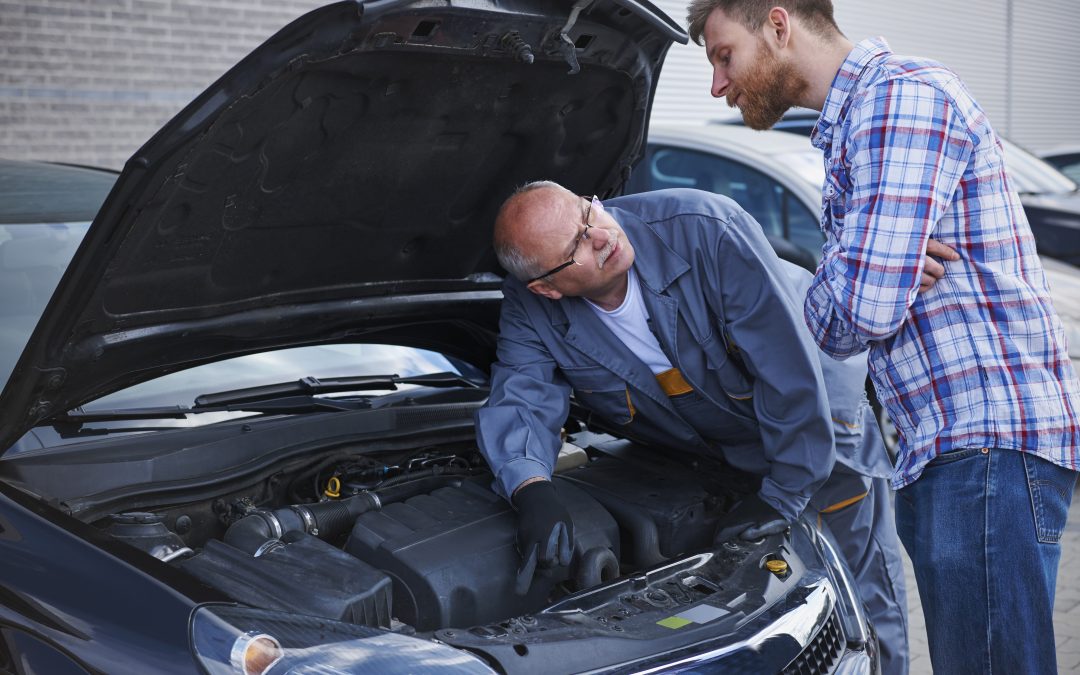
Coolant in British Columbia, we experience a wide range of weather patterns – from below-freezing and snowstorms on the Coquihalla Highway to hot Summers in the Fraser Valley. With this, vehicles need antifreeze (or coolant) to ensure that the engine runs smoothly in all conditions, regardless of the weather.
What is Antifreeze?
Antifreeze, also called coolant, is a liquid mixed with water. It helps regulate your engine in extreme temperatures, like below freezing or very hot conditions.
As temperatures shift from hot to cold, antifreeze flows through the engine. It helps maintain an optimal temperature for your vehicle.
Why should you use antifreeze in your vehicle?
You should keep the right amount of antifreeze in your vehicle at all times. Without it, your vehicle may overheat or freeze, causing long-term damage.
Antifreeze prevents the water in your radiator and engine from freezing in cold temperatures and boiling in hot temperatures. It also lubricates moving parts, like the water pump.
How can you check antifreeze levels?
First, check to see if the liquid reaches the “full” indicator line on the side of the reservoir tank. If the liquid does not reach this line, open the cap and add a 50/50 mixture of water and coolant until it does. You can either use a coolant exclusively, or you can find coolants that are already premixed, which will take the guesswork out of the addition. Before you place this liquid in your vehicle, be sure to check the side of the bottle to determine if you do you have a premixed solution. Learn more about some of the best products on the market here.
Important notes on antifreeze/ Coolant in British Columbia…
When dealing with antifreeze, it is important to keep note of the following cautions:
- Never add coolant to a hot engine. This prevents the possibility of being burned or impacting your engine. Wait until your engine cools.
- If your antifreeze mixture is sludgy or has an oil surface, take your vehicle to a mechanic immediately.
- If the coolant is colourless or has objects floating within in, you will need to flush your system
- Feel your radiator hoses; replace them immediately if they are leaking or cracked.
Dealing with antifreeze is something that should not be taken lightly; this has a significant impact on your vehicle! Before you engage in adding antifreeze, be sure to take note of the cautions above, or consult a professional to ensure your engine runs smoothly.

Many of us take for granted Retail and Fleet Fueling that there will always be gas stations available along our journeys and car washes to help us keep our vehicles clean. We’re fortunate! For Canadians, access to gasoline and car washes are commonplace and we don’t think twice about pulling into either and doing what needs to be done.
But someone has to set up those establishments, supply the equipment, and keep it working, and that’s where Western Oil Services enters the picture.
Commercial gasoline and car wash systems
When you drive into a gas station, you see various equipment, especially the dispensing machines that transfer gas from underground tanks to your car. At Western Oil Services, we supply this dispensing equipment along with underground or above-ground storage tanks and piping for our retail clients.
Our focus on retail gas operations has grown significantly over the past decade. We specialize in retrofitting older gas dispensing systems. We also offer preventative maintenance inspections for all fuel systems under contract. Regular inspections ensure the equipment is well-maintained, which helps it run safely and efficiently. We aim to spot problems before they arise and are aware of wear-and-tear issues that could lead to future breakdowns.
The same applies to our vehicle wash systems. We install top-quality touch-free or self-serve wand systems. We then maintain these systems to detect common issues due to age or overuse. If a breakdown occurs, we’ll quickly get you back up and running.
Fleet maintenance facilities
With companies like Coast Mountain Bus Company on our list of satisfied customers, it’s clear to see that Western Oil Services has become the go-to company for fleet maintenance services.
Whether the fleet you own or manage includes cars, buses, or trucks, we can assist you with your maintenance needs, including fueling and fuel storage services, vehicle wash systems, and hoist systems that allow your mechanics to work on your vehicles easily and consistently.
We understand that operating a large fleet can be daunting, so we endeavor to make everything run as smoothly as possible with our top-notch installations of quality equipment as well as our consistent maintenance and support services. We know what you need and that you need it to be working properly at all times, so our regular inspections allow us to keep our eyes on potential problems and fix the ones that need fixing now.
Need more information on our retail and fleet fueling services or our vehicle wash or hoist systems? Call and talk to our experts for details and a pricing plan that fits your needs and budget.
