
One critical component that keeps transportation systems running smoothly is the availability of top-notch fueling services. These services are the backbone of the transportation industry, ensuring that vehicles have regular access to the fuel they need to function efficiently.
Transportation is the lifeblood of our modern society, enabling the movement of people and goods across vast distances. Whether it’s the daily commute, the delivery of essential goods, or long-haul trucking, efficient and reliable transportation systems are essential.
Consider these five compelling reasons why transportation systems rely on top-notch fueling services.
Fuel Quality and Consistency
One of the primary reasons transportation systems depend on superior fueling services is the assurance of fuel quality and consistency. Fuel is, quite obviously, essential for any vehicle, and its quality directly impacts engine performance and longevity. When transportation companies partner with reputable fueling services, they can trust that the fuel provided meets industry standards and regulations.
Quality fuel not only improves engine efficiency but also reduces emissions and maintenance costs. Fueling services invest in advanced filtration and refining processes to remove impurities and contaminants from their products. This ensures that vehicles receive clean and reliable fuel. Such a commitment to quality helps transportation systems achieve better fuel economy, lower emissions, and reduced downtime due to engine issues.
Convenience and Accessibility
Time is money, so transportation companies rely on top-notch fueling services for their convenience and accessibility. These services strategically position their fueling stations where needed, making it easy for vehicles to refuel without wasting valuable time.
Moreover, such fueling services offer 24/7 access, enabling round-the-clock operations for businesses that rely on a constant flow of goods and services. This accessibility allows transportation companies to optimize their schedules and maintain efficient operations, reducing downtime and increasing productivity.
Fuel Efficiency and Cost Savings
Transportation systems are under constant pressure to reduce operating costs while maintaining high levels of performance. Top-notch fueling services play a crucial role in this regard by providing fuel-efficient options and cost-saving initiatives. These services often offer different fuel grades, including those with additives designed to improve engine efficiency.
Fuel additives can enhance combustion, clean engine components, and reduce carbon buildup. This not only improves fuel efficiency but also extends the lifespan of vehicles and reduces the frequency of maintenance and repairs. For transportation companies, these benefits translate into significant cost savings over time.
Additionally, many fueling services offer loyalty programs and volume discounts to their customers. These programs can help transportation companies further reduce their fuel expenses, making it more economically viable to maintain and expand their fleets.
Regulatory Compliance
The transportation industry is subject to strict environmental regulations aimed at reducing emissions and minimizing the impact on the planet. Compliance with these regulations is essential for transportation companies in order to avoid fines and maintain their social responsibility image. Top-notch fueling services play a crucial role in helping transportation systems meet these regulatory requirements.
Many fueling services invest in advanced technologies and practices to produce low-emission fuels that meet or exceed environmental standards. This allows transportation companies to reduce their carbon footprint and demonstrate their commitment to sustainability. By partnering with reputable fueling services, transportation systems can ensure that their vehicles are always fueled with compliant and environmentally friendly options.
Furthermore, fueling services often provide valuable data and reporting tools that help transportation companies monitor their emissions and fuel consumption. This data can be used to track compliance, identify areas for improvement, and make informed decisions to reduce the environmental impact of their operations.
Fleet Management and Monitoring
Effective fleet management is critical for transportation systems to operate efficiently and profitably. Top-notch fueling services offer advanced fleet management and monitoring solutions that provide real-time data on fuel usage, vehicle performance, and driver behavior. These tools empower transportation companies to make informed decisions and optimize their operations.
Fleet monitoring systems can track fuel consumption patterns and identify anomalies that may indicate issues with vehicle maintenance. This proactive approach helps transportation companies address problems before they escalate, reducing downtime and costly repairs.
Additionally, these systems provide valuable insights into driver behavior, such as speeding or excessive idling. This allows transportation companies to implement training and incentives to improve driver efficiency and safety. The result is a more streamlined and cost-effective transportation system that benefits both the company’s bottom line and the safety of the public.
Top-notch fueling services are an indispensable part of modern transportation systems. They ensure that vehicles receive high-quality fuel, offer convenience and accessibility, contribute to fuel efficiency and cost savings, assist with regulatory compliance, and provide essential fleet management and monitoring tools. Transportation companies that prioritize these services can enjoy smoother operations, reduced environmental impact, and increased profitability, ultimately benefiting both their business and the communities they serve.
At Western Oil Services, we want to be your fueling services partner. We work with leading manufacturers of retail fueling equipment. Our technicians and installers, as well as the designers we employ, are educated in a wide range of fuel service products that fit a variety of parameters. We’re certain we can meet your fuel servicing needs. For more information, call us at 604-514-4787.

In a world driven by energy demands, effective fuel storage is a critical element for industries, businesses, and even residential users. From gasoline and diesel to propane and natural gas, having a well-designed and properly managed fuel storage system is essential for uninterrupted operations and efficient energy management.
However, embarking on the journey of fuel storage involves more than just selecting a tank. It requires careful consideration of various costs associated with the tanks as well as installation, maintenance, and fuel delivery.
Tanks
Choosing the right type and size of storage tank is paramount. Tanks come in various materials, sizes, and configurations to accommodate different fuels and applications. However, each option comes with its own set of costs.
Initial Tank Cost: The initial investment in a storage tank is a significant expense. Tanks can be made of materials such as steel, fiberglass, or polyethylene. The cost varies depending on the material’s durability, corrosion resistance, and capacity. Steel tanks, for instance, are sturdy but may require additional coatings to prevent corrosion, increasing their upfront cost.
Capacity and Size: The size of the tank is determined by your fuel consumption needs. Larger tanks accommodate more fuel but are costlier both in terms of the tank itself and the space required for installation. Conversely, smaller tanks might have a lower initial cost but may need more frequent refills, impacting operational efficiency.
Installation and Foundation: The cost of installing a fuel storage tank involves more than just setting it in place. Proper foundations, containment systems, and safety measures are necessary to comply with regulations and ensure long-term functionality. Installation costs can include excavation, concrete work, and any necessary permits.
Installation
The process of installing a fuel storage tank is intricate and requires adherence to safety standards, local regulations, and industry guidelines. Ignoring installation costs and requirements can lead to significant complications and potential legal ramifications.
Site Preparation: Before the tank can be installed, the site needs proper preparation. This may involve excavation, leveling the ground, and constructing a suitable foundation to ensure the tank’s stability.
Safety Measures: Compliance with safety standards is non-negotiable when dealing with fuel storage. As such, installation costs may include the setup of safety features like overfill protection, leak detection systems, and fire suppression equipment.
Regulatory Approvals: Depending on your location and the type of fuel stored, you may need various permits and approvals. Failing to consider these costs can lead to delays and fines.
Ongoing maintenance
Maintenance is often an overlooked aspect of fuel storage costs but neglecting it can result in increased expenses and reduced tank lifespan.
Routine Inspections: Regular inspections are essential to catch any signs of corrosion, leaks, or other issues early on. These inspections might incur fees, especially if they involve specialized professionals.
Repairs and Upgrades: Over time, tanks can develop leaks or structural weaknesses. Repair costs can vary widely depending on the severity of the issue and the tank’s material. Additionally, technology and regulations evolve, necessitating periodic upgrades to stay compliant.
Environmental Considerations: If a leak or spill occurs, environmental cleanup costs can be substantial. Proper maintenance and proactive measures can mitigate these expenses.
Fuel delivery
The final link in the fuel storage chain is the delivery of fuel to your site. The method and frequency of delivery can impact costs and operational efficiency.
Delivery Charges: Depending on your location and the distance from fuel suppliers, delivery charges can be substantial. These costs can be influenced by factors such as fuel prices, transportation fees, and delivery frequency.
Storage Capacity vs. Delivery Frequency: Striking a balance between storage capacity and delivery frequency is crucial. Larger storage capacities might allow for bulk purchasing, potentially securing lower fuel prices. However, too much storage capacity can lead to fuel degradation or excess costs for maintaining larger tanks.
The importance of planning
As evident from the above breakdown, the cost considerations associated with fuel storage extend far beyond the initial tank purchase. Ignoring these factors can lead to unexpected expenses, operational inefficiencies, and even compliance issues. Thoughtful planning and budgeting are vital for ensuring a sustainable and cost-effective fuel storage system.
Operational Continuity: Having a well-maintained and adequately sized fuel storage system ensures a consistent supply of energy. This operational continuity is essential for industries that rely on uninterrupted power, heating, or machinery.
Cost Efficiency: While there are upfront costs associated with high-quality tanks, installation, and ongoing maintenance, these investments can yield long-term savings. Properly maintained tanks have a longer lifespan, reducing the frequency of replacements. Bulk purchasing of fuel due to larger storage capacities can also lead to cost savings.
Regulatory Compliance: Ignoring regulatory requirements can lead to fines, legal battles, and reputational damage. Considering the costs of permits, safety equipment, and compliance measures is integral to avoiding such issues.
Environmental Responsibility: Proper maintenance and spill prevention measures contribute to environmental protection. The costs of environmental damage resulting from neglect can far outweigh the expenses of preventive measures.
Indeed, the journey from tank selection to ongoing maintenance is rife with cost considerations. Neglecting these factors can have far-reaching consequences, both financially and operationally. Informed planning and budgeting are essential for a well-functioning and cost-effective fuel storage system.
By carefully evaluating the costs associated with tanks, installation, maintenance, and fuel delivery, businesses and individuals can ensure operational continuity, cost efficiency, regulatory compliance, and environmental responsibility in their energy management endeavors.
At Western Oil Services, we’re your fuel storage experts. We can consult with you about your specific needs, offer suggestions, and set up installations that will be right for you. Furthermore, we can be your maintenance professionals as well, ensuring that your fuel storage system is always up-to-date and working properly.
For a consultation, call us at 604-514-4787.

In today’s world, where energy plays a pivotal role in our daily lives, fuel storage is a critical aspect of ensuring a constant and reliable energy supply. From gasoline and diesel to petroleum and natural gas, fuel is stored in vast quantities across the globe. However, this convenience comes with environmental challenges that must not be ignored.
Fuel storage, if handled incorrectly, can have a significant impact on the environment. This may lead to soil and groundwater contamination…or worse. Therefore, it is essential to implement proper spill prevention measures and cleanup procedures to minimize environmental damage.
Understanding the environmental impact of fuel storage
Fuel storage facilities, such as tanks and pipelines, are designed to safely contain the substances they hold. However, accidents, leaks, and spills can still occur due to human error, equipment failure, or natural disasters. When such incidents happen, the consequences can be far-reaching and detrimental to the environment.
- Soil contamination: Spills and leaks from fuel storage tanks can lead to soil contamination. Fuels contain a complex mixture of hydrocarbons and other chemicals. When they come into contact with soil, they can seep into the ground, causing concern. Contaminated soil not only affects the growth of plants but also impacts the entire ecosystem as it can disrupt the balance of nutrients and microbial activity.
- Groundwater contamination: One of the most severe consequences of fuel storage mishaps is groundwater contamination. If fuel seeps through the soil and reaches the water table, it can contaminate underground water sources. These are often used for drinking water and agricultural purposes. Contaminated groundwater can lead to severe health issues for both humans and animals. Furthermore, it is extremely challenging and costly to clean up.
- Air pollution: In addition to soil and groundwater contamination, volatile organic compounds (VOCs) found in fuels can evaporate into the air, contributing to air pollution. VOCs are precursors to the formation of ground-level ozone, a harmful air pollutant that can damage vegetation, harm human respiratory health, and exacerbate climate change.
- Ecosystem disruption: Fuel spills and contamination can have devastating effects on local ecosystems. Plants and animals living in and around the affected area may suffer from toxic exposure, habitat loss, and disrupted food chains. In worst-case scenarios, species may be pushed to the brink of extinction, further impacting biodiversity.
Prevention measures for fuel spills
Preventing fuel spills is the first line of defense in safeguarding the environment. Implementing the following measures can significantly reduce the risk of accidents and protect surrounding ecosystems:
- Regular maintenance and inspections: Consistent maintenance and inspections of fuel storage tanks and pipelines are crucial to identify potential issues before they escalate into major problems. By identifying and addressing weak points, leaks and spills can be prevented.
- Secondary containment systems: Installing secondary containment systems around fuel storage tanks can help contain spills and leaks in the event of an accident. These systems act as an additional barrier, preventing fuel from escaping into the environment.
- Employee training: Proper training of personnel involved in fuel handling and storage is essential. Employees should be educated on spill prevention, response protocols, and emergency procedures.
- Monitoring and alarms: Implementing monitoring systems and alarms can quickly alert staff to any abnormalities in fuel storage levels, pressure, or leaks. Early detection can make a significant difference in preventing environmental damage.
Effective cleanup procedures
Despite taking all precautionary measures, accidents may still occur. In such cases, it is crucial to respond swiftly and efficiently to minimize environmental damage. The following steps should be taken during cleanup operations:
- Containment: The first step is to contain the spill to prevent it from spreading further. This may involve the use of absorbent materials, booms, or barriers to limit the extent of contamination.
- Removal and recovery: Once contained, the spilled fuel must be removed from the affected area. Vacuum trucks, skimmers, and chemicals can be used to recover spilled fuel. Proper disposal of the recovered fuel is equally important to avoid further environmental harm.
- Remediation: After the initial cleanup, the affected soil and groundwater must undergo remediation. Techniques such as bioremediation, soil vapor extraction, and pump-and-treat methods can help restore the environment to a healthy state.
- Monitoring and verification: Continuous monitoring should be conducted post-cleanup to ensure that the contamination has been effectively addressed. Verification testing can confirm that the area is safe for humans, wildlife, and the ecosystem.
Fuel Storage Environmental Contamination Responsibilities
Indeed, fuel storage is an integral part of daily life, but it comes with significant responsibilities to protect the environment from potential harm. Soil and groundwater contamination resulting from fuel spills can have severe and lasting consequences on ecosystems and human health.
By prioritizing spill prevention measures, investing in proper cleanup procedures, and fostering a culture of environmental responsibility, we can minimize the environmental impact of fuel storage and ensure a cleaner, safer world for generations to come.
One way to prioritize safety is to employ a company that knows the ins and outs of safe fuel storage. Western Oil Services boasts nearly three-quarters of a century of experience installing and maintaining fuel storage systems.
Not only will we make sure you’re storing your fuel properly, but we’ll also perform regular maintenance checks, fix routine and emergency issues, and be there should problems arise.
For more details on all of our fuel storage solutions, call us at 604-514-4787.

Fuel storage systems play a vital role in various industries, including transportation, power generation, and manufacturing. To ensure a safe and reliable supply of fuel, it is crucial to implement regular maintenance of these storage systems.
This article explores the essential maintenance tasks required to keep fuel storage systems in optimal condition, minimize risks, and maximize operational efficiency.
Fuel Storage Maintenance checklist
- Inspection and Monitoring: Regular inspections by trained staff and professionals are critical to identifying any signs of damage, leaks, or corrosion in the storage system. Staff that is responsible for this task should conduct visual inspections of tanks, pipelines, valves, and fittings to detect any physical abnormalities. Additionally, system owners or managers should implement comprehensive monitoring systems that utilize sensors, alarms, and automated leak detection devices. These provide real-time information on fuel levels, pressure, and temperature and can help avoid potential disasters.
- Tank Cleaning and Sludge Removal: Over time, fuel storage tanks can accumulate sediment and sludge at the bottom. This compromises the quality of stored fuel and potentially leads to corrosion. Regular tank cleaning is essential to remove these contaminants. Fuel storage system owners should develop a schedule for tank cleaning based on industry guidelines and the type of fuel stored. Consider professional cleaning services that utilize specialized equipment to ensure thorough cleaning without damaging the tanks.
- Fuel Quality Testing: Maintaining the quality of stored fuel is crucial for optimal system performance. Regular fuel quality testing to ensure compliance with industry standards is essential. It also serves to prevent issues such as fuel degradation, microbial growth, or water contamination. Test for parameters such as water content, sediment, octane or cetane ratings, and microbial contamination. If any deviations are detected, appropriate actions should be taken such as fuel treatment, filtration, or fuel replacement.
- Cathodic Protection: Corrosion is a common threat to fuel storage systems, particularly those constructed of steel or other metals. Implement cathodic protection methods to prevent corrosion and extend the lifespan of tanks and pipelines. This technique involves the use of so-called “sacrificial anodes” to create an electrochemical barrier that shields the metal from corrosion. Regularly inspect and replace sacrificial anodes as required. Sound complicated? Talk to a professional about taking this step to combat corrosion.
- Emergency Preparedness: Prepare for potential emergencies by having a robust emergency response plan in place. Train sufficient personnel on emergency procedures, such as fuel spill containment, firefighting, and evacuation protocols. A trained individual should always be present on site. Regularly test emergency shutdown systems, alarms, and fire suppression equipment. Maintain an inventory of spill response kits, absorbents, and containment materials. Additionally, establish communication channels with local emergency services and regulatory agencies to ensure a swift and coordinated response in case of emergencies.
- Compliance with Regulations: Ensure compliance with relevant provincial, national, and industry-specific regulations for fuel storage systems. Familiarize yourself with applicable codes and standards, such as CPI (Canadian Petroleum Institute) guidelines or CCOHS (Canadian Safety and Health Administration) requirements. Regularly review and update your maintenance practices to align with evolving regulations. Conduct audits or seek third-party inspections to verify compliance and identify areas for improvement.
The maintenance of fuel storage systems is crucial to ensure the safe and efficient operation of various industries that rely on a reliable fuel supply. By implementing regular inspections, tank cleaning, fuel quality testing, and protective measures against corrosion, operators can minimize risks and extend the lifespan of their storage systems. Emergency preparedness and compliance with regulations further contribute to maintaining a safe working environment. Remember, proactive maintenance practices not only prevent costly breakdowns and downtime but also foster a culture of safety and reliability in fuel storage operations.
Seek the services of a professional
That’s why it’s always best to have an energy professional on your team. At Western Oil Services, we are fuel storage system experts. We have nearly three-quarters of a century of experience installing and maintaining fuel storage systems. Our clients include industrial, commercial, marine, logging, transportation, and mining companies as well as municipalities.
We also replace and upgrade older fuel systems and introduce new backup systems that ensure our client’s energy needs are not only met but also closely monitored. In addition, we install new storage systems and offer maintenance contracts for new or existing tanks. This ensures that your system is always operating properly and that problems, especially those associated with wear and tear, are detected before incidents of any kind occur.
For more information on our services, call Western Oil at 604-514-4787.

Fuel storage for remote locations certainly presents a number of unique challenges and demands innovative solutions as well. Whether it’s for powering off-grid communities, supporting remote industrial operations, or enabling emergency response efforts, reliable and sustainable fuel storage is vital.
In this article, we will explore the key considerations, technologies, and best practices for storing fuel in remote areas. We’ll address issues such as accessibility, safety, environmental impact, and long-term viability.
Understanding the challenges
Remote locations often lack access to established infrastructure. This makes fuel storage and delivery more complex, especially at certain times of the year, depending on the location.
Factors such as harsh weather conditions, limited transportation options, and geographical constraints pose significant challenges. Ensuring a steady supply of fuel becomes critical. Interruptions can have severe consequences for remote communities and industries. That’s why it’s essential to have viable plans in place to ensure that the fuel can flow freely, so to speak.
Efficient storage solutions
Optimizing fuel storage is essential to maximizing efficiency and reducing operational costs. Choosing the appropriate storage system depends on multiple factors. These include required fuel volume, site conditions, and environmental considerations.
Several solutions are available to those storing fuel at a remote location. These include above-ground tanks, underground storage tanks, and even mobile fuel containers. Each option has its advantages. They must be evaluated based on factors like durability, accessibility, and ease of maintenance. A company like Western Oil Services, well-versed in tank installations of all kinds, can help you make the proper determination.
Safety considerations
Safety is of paramount importance when storing fuel in remote locations. Strict adherence to safety regulations and standards is crucial to prevent accidents and protect both human life and the environment. Just because a location is remote, it doesn’t mean environmental rules and other safety regulations can be discarded. There’s plenty to consider where safety is concerned.
Implementing proper storage practices, including containment systems, fire suppression measures, and regular inspections, is essential. Additionally, staff training and emergency response plans must be in place. This is so potential incidents can be addressed effectively and quickly. Training should be ongoing, and staff should always be up to date on the latest laws and regulations.
Transportation and logistics
Efficient transportation and logistics are key components of fuel storage for remote areas. Selecting the right mode of transport, such as tanker trucks, barges, or helicopters, depends on factors like distance, terrain, and fuel type. Establishing reliable supply chains and backup options ensures uninterrupted fuel availability. Furthermore, strategic planning, including route optimization and real-time tracking, helps minimize delivery delays and optimize fuel consumption during transportation.
Environmental impact and sustainability
Sustainability should be a central consideration in fuel storage solutions for remote locations. Minimizing environmental impact and reducing carbon emissions is essential. Promoting renewable energy sources is crucial for long-term viability as well.
Implementing measures like spill prevention systems, secondary containment, and leak detection technology helps safeguard ecosystems. Exploring alternative energy sources, such as solar, wind, or biomass, can also supplement or replace traditional fuel storage systems, reducing dependence on fossil fuels. Being a good steward of the environment is just as important in remote areas as it is in a big city or small town. Aiming towards minimal impact is critical.
Maintenance and monitoring
Regular maintenance and monitoring play a vital role in ensuring the reliability of fuel storage in remote areas. Routine inspections, integrity testing, and preventative maintenance activities help identify and address potential issues before they escalate. Utilizing advanced monitoring technologies like remote sensors, IoT devices, and data analytics enables real-time monitoring of a variety of factors. These include storage conditions, fuel levels, and system performance. As such, you’ll be facilitating timely maintenance and optimizing operational efficiency.
Choose the right partner
To recap, fuel storage in remote locations requires careful planning, innovative solutions, and a commitment to safety and sustainability. By considering the unique challenges, implementing efficient storage systems, focusing on safety protocols, optimizing transportation and logistics, and embracing sustainability, you can ensure reliable and responsible fuel storage to support remote communities and industries.
Employing the assistance of a company like Western Oil Services, with its expert staff and decades of knowledge about fuel storage, is an essential part of the puzzle. Western has been a leader in energy handling for nearly three-quarters of a century, service the Greater Vancouver area and far beyond, including in the Northwest Territories and the Yukon. We are well-versed on the energy storage needs of remote locations and can assist you in choosing the right products and services for your project.
To speak with one of our experts, call us at 604-514-4787.
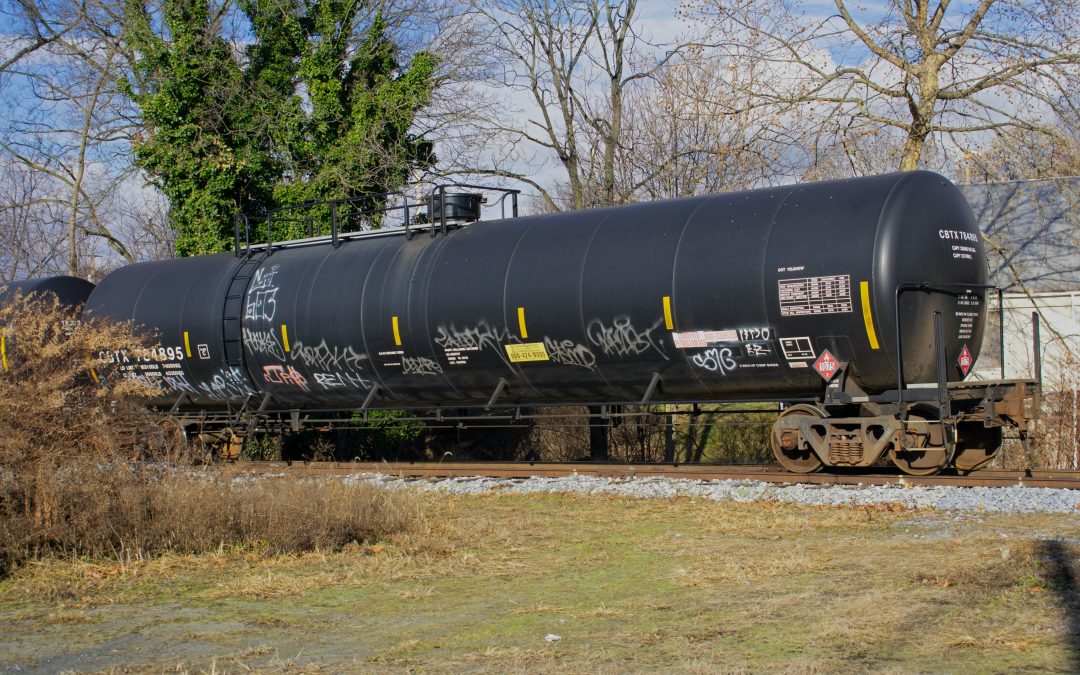
Transportation is an essential part of society, regardless of where you live. As such, fuel storage plays a vital role in ensuring the smooth functioning of this sector. Whether it’s transporting goods or people, the transportation industry is dependent on various types of fuels in order to run efficiently. This includes gasoline, diesel, natural gas, and hydrogen. These fuels are stored in different types of containers and transported in various ways. This ensures that they reach their intended destinations safely and efficiently.
Determining the correct storage options
The storage of fuel for transportation must take into account several factors. This includes the type of fuel, the mode of transportation, and the storage conditions. Each fuel has its unique characteristics, and the storage and transportation requirements vary accordingly. If you are going to be storing fuel on your property for transportation uses, you must consult with professionals in the industry so that your storage choices are appropriate.
Gasoline and diesel
Gasoline and diesel are the most commonly used fuels in transportation. It is a highly flammable liquid that must be stored in containers that are designed to prevent leaks and spills. The containers must also be labeled correctly to indicate the type of fuel inside and the associated risks. Diesel, on the other hand, is a less volatile fuel. It can be stored in containers made of plastic or metal.
Natural gas
Natural gas is another fuel that is gaining popularity in the transportation industry. It is stored in containers made of composite materials or steel. The containers must be able to withstand high pressures and temperatures in order to prevent explosions. Natural gas is typically transported in pipelines. However, it can also be transported in specialized tanker trucks where necessary.
Hydrogen
Hydrogen is a clean-burning fuel that is gaining traction in the transportation industry. It is stored in high-pressure tanks made of composite materials or metal. As with natural gas, tanks must be able to withstand high pressures and temperatures, so explosions do not occur. Hydrogen is usually transported in tanker trucks, but it can also be transported in pipelines.
Modes of transportation
The mode of transportation also plays a crucial role in storage. For example, fuel for cars and trucks is typically stored in underground tanks at gas stations. These tanks are designed to prevent leaks and spills and are regularly inspected to ensure their safety. Fuel for airplanes, on the other hand, is stored in large tanks inside the wings of the aircraft. These tanks must be able to withstand the stresses of flight and must be designed to prevent leaks and spills.
Railroads are also a common mode of transportation for fuels. Tanker cars are frequently used to transport gasoline, diesel, and other fuels. These cars are designed to be leak-proof, of course. They also must undergo stringent inspections by licensed officials in the industry. In recent years, there have been concerns about the safety of transporting fuels by rail. The increased use of rail transportation for such substances has led to several high-profile accidents. This includes the derailment of a train carrying crude oil in Lac-Mégantic, Quebec, in 2013, which killed 47 people.
Pipelines are another mode of transportation for fuels. They are a safe and efficient way to transport large quantities of fuel over long distances. Like other storage or modes or transport, they are designed to be spill-proof. However, pipelines can also pose a risk to the environment and local communities if there is indeed a leak or spill. As such, many communities are opposed to pipelines near their homes or properties. They will likely continue to be controversial.
Storage Conditions
Storage conditions also play a crucial role in fuel storage for transportation. Fuels must be stored in a dry, cool, and well-ventilated area to prevent the buildup of vapors that can cause explosions. The storage area must also be free of ignition sources, such as open flames or electrical sparks. They must also be a designated distance from homes and businesses.
Fuel quality and storage is regulated by various government agencies, including the Canadian Environmental Protection Agency (CEPA) in Canada and the Environmental Protection Agency (EPA) in the United States.
Getting the job done right
At Western Oil Services, we’re fuel handling experts and have been for nearly three-quarters of a century. Our products and services are top-notch, and our customer care is renowned in the industry. We can help you determine your fuel storage needs and assist you in choosing storage options that are appropriate for your industry and your individual needs.
For more details or to schedule a consultation, call us at 604-514-4787.
