
Fuel storage regulations in Canada are in place to ensure everyone does fuel handling, storage, and transportation safely and efficiently. These regulations have been devised over the years to prevent incidents that may cause harm to people, property, or the environment.
The Canadian government regulates fuel storage through a variety of laws. This includes the Canadian Environmental Protection Act (CEPA). It also includes the Transportation of Dangerous Goods Act (TDGA), and the National Fire Code of Canada (NFCC). These laws cover everything from the design of fuel storage facilities to the handling of fuels.
Fuel storage regulations in Canada are extensive and cover all aspects of fuel storage. The restrictions apply to all fuel types, including gasoline, diesel, propane, and natural gas.
Design and Construction of Fuel Storage Facilities
The design and construction of fuel storage facilities are regulated to ensure they are safe and efficient. The regulations cover all aspects of these facilities. Including the materials used to construct them and the size of the tanks.
The regulations require that fuel storage facilities be resistant to corrosion and leakage. The tanks must be designed to prevent leaks, spills, and overflows. They must ensure the safety of those who work with the fuel and neighborhoods and businesses nearby. In addition, tanks must also be equipped with a secondary containment system to contain any spills that occur.
Regulations require that fuel storage facilities be located a safe distance away from public buildings. Also it must be a safe distance from residential areas and water sources. The facilities must be designed to prevent access by unauthorized persons. And the tanks must be clearly labeled with the type of fuel they contain.
Handling and transportation of fuels
Moreover, The handling and transportation of fuels are also regulated. This ensures safe practices for those involved. The regulations cover many factors, such as packaging fuels for transport. Or it could include training drivers and handlers.
Canadian regulations require that fuels be packaged in containers that are designed to prevent leaks and spills. The containers must also be labeled. These labels must state the type of fuel they contain and any hazards associated with the fuel.
The regulations also require that drivers and handlers of fuels be properly trained to manage the fuels safely. This might include training in the use of personal protective equipment. It could also include the safest possible transportation of these liquids.
Management of Fuel Spills
To avoid hazardous encounters, regulations require that fuel spills be managed quickly and efficiently. This is to minimize their impact on the environment and human health. The regulations address everything from reporting spills to the cleanup of the same.
Specifically, regulations require that fuel spills be reported to the appropriate authorities immediately. This documentation is used to track the spill’s impact on the environment. Also to ensure that proper cleanup procedures are followed. As such, the spill must be contained as quickly as possible to prevent it from spreading. Furthermore, the cleanup must be tackled by trained professionals with the proper tools and equipment.
Enforcement of fuel storage regulations
Moreover, The enforcement of fuel storage regulations in Canada is the responsibility of various government agencies. The agencies work together to ensure that the rules are being followed. Violations must also be addressed.
Moreover, The Canadian Environmental Protection Agency (CEPA) is responsible for enforcing regulations related to the storage and handling of fuels. The Transportation of Dangerous Goods Directorate (TDGD) is responsible for enforcing regulations pertaining to the transportation of fuels. The National Fire Code of Canada (NFCC) is responsible for enforcing regulations related to the design and construction of fuel storage facilities.
The agencies have the authority to issue fines and penalties for violations of current regulations. They can also shut down facilities not complying with these rules.
Getting it straight
Fuel storage regulations in Canada are in place to ensure that fuel handling, storage, and transportation are done safely and efficiently. If you are uncertain how to store fuel on your property or transport fuel from one place to another, Western Oil Services can help clear up the confusion. We are experts in fuel storage and more. We offer solutions for your fuel storage needs. For more information, please fill out the contact form on our website or call us at 604-514-4787.

If you have a business that stores, dispenses, or transports fuel, you know how important it is to have the proper safety measures in place for fuel storage and to maintain a staff that can follow those measures and abides by all rules and regulations of fuel products on your property.
Let’s look at some of the basics of Safety for Fuel Storage.
Advantages of storing fuel on site
For many kinds of businesses, having fuel storage tanks on their properties is necessary or beneficial to completing their daily tasks on time. For example, if you own a fleet of vehicles, it’s much easier and far less expensive to fill tanks on-site rather than take them to a commercial provider.
Furthermore, fuel storage tanks give you around-the-clock access to fuel should you have a vehicle or machine that runs empty at an inconvenient time. This way, there’s no downtime. That’s a huge money saver.
Choosing the right tank
Safety depends on many factors, including having the right fuel storage tank.
First, consider how much on-site space you have and whether you have a safe spot to install your tank or tanks. It will need to be a reasonable distance from any other buildings on the property, so you’ll need to select an area with plenty of space around it. If you’re considering an underground tank, you’ll need to excavate ample ground space to make room for the tank.
Size and capacity are also a consideration. Don’t purchase a tank that’s bigger than you need. You don’t need something that large if you think it’ll take a year to use up the fuel in a 12,000-gallon tank.
And, of course, the kind of fuel you’ll be storing will determine what you’ll need to purchase. For example, flammable fluids will need a double-walled tank for safety purposes. If you store more than one fuel type, you’ll also need multiple tanks.
Tank safety requirements
Safety is of the utmost importance, no matter what kind of or how much fuel you are storing. You will need to comply with regulatory laws in your area, and you’ll want to hire a licensed, experienced company that knows the ins and outs of fuel storage and the safety measures necessary to keep you, your employees, and other businesses or homes around you from harm.
The provincial level usually regulates the Above-ground tanks. You will need to ensure that you’re adhering to all of those rules, including equipping tanks with alarms in case of a spill or other hazard. That’s why it’s essential to hire a company that knows the rules for installing and maintaining your fuel storage tanks.
Tank maintenance and staff training
Annual inspections of your fuel storage tanks are essential. Not only should a licensed contractor be taking a close look at your tanks once per year, but your staff, supervisor, or whoever is responsible for the tanks should also review safety measures each year. Furthermore, those staff members should re-evaluate their ability to handle their job. They should be re-briefed on safety protocols, advised as to any new protocols or rules, and quizzed on topics such as spill-prevention measures and what to do in an emergency.
In reality, you should train anyone working on your property in risk management related to your on-site fuel storage tanks. For example, ALL employees should know how to turn the tank power on and off. They should also know the basics of spill containment and safe cleanup.
Other safety measures for fuel storage
In addition to proper installation, local regulations, regular maintenance, and staff training, consider these other factors for safety.
- Never fill your tank to capacity. Fluids can expand due to temperature change, so the tank should be at most 90-95 % full.
- Monitor the tank for contamination and check for signs of corrosion regularly.
- Make sure the tank’s support structure remains sound. Safety largely depends on the strength of the support structure on which the tank stands, so call your tank maintenance company if you spy a problem.
- Make sure you clearly mark tanks as to what’s inside of them.
- The area around the tank must be a smoke-free zone. As such, “no smoking” signs should appear on every side of the tank.
- Consider putting a roof structure over your tank to reduce sun and heat exposure.
At Western Oil Services, we’re experts in above-ground and underground tanks. We can help you choose the right tank for your business, install it, and maintain it. We’re well-versed in provincial rules and regulations of fuel storage and are eager to help you find the right tank and place to install it. For more information on our services, contact us at 604-514-1787 or complete the form on our website.
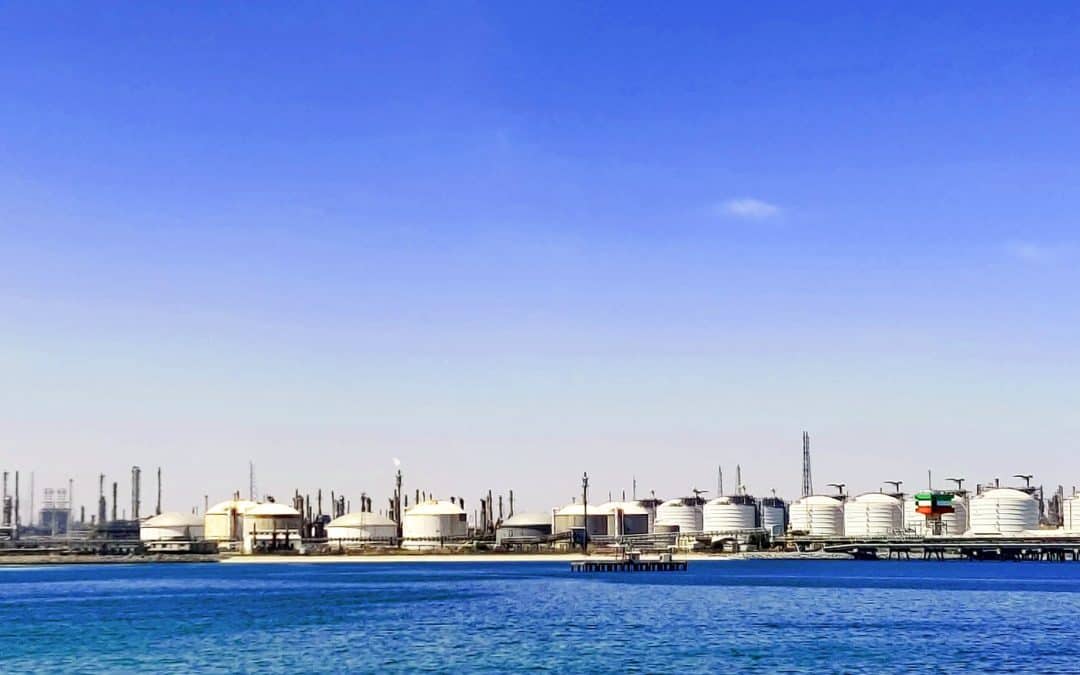
Fuel storage tanks are an essential component of many industries. They provide a safe and efficient means of storing large quantities of fuel or other fluids.
There are two main types of fuel storage tanks: above-ground tanks and underground or below-ground tanks. Both have their own set of advantages and disadvantages, and the choice of which one to use depends on the specific needs and circumstances of the fuel storage facility.
Above-ground fuel storage tanks
Above-ground fuel storage tanks are those that are placed above the ground and are visible to the eye. No doubt you’ve driven past many in your lifetime. These tanks are typically made of metal or plastic. They can range in size from small, portable tanks to large, stationary tanks that can hold tens of thousands of gallons of fuel. Above-ground tanks can store gasoline, diesel, propane, and other fuels in residential, commercial, and industrial settings.
Pros and cons of above-ground tanks
There are several advantages to using above ground fuel storage tanks. One of the main perks is that they are relatively easy to install and maintain. Above ground tanks do not require any specialized equipment or skilled labor to install. Furthermore, they can be easily inspected and maintained by a trained technician. In addition, above-ground tanks are typically less expensive to purchase and install than underground tanks. This makes them a cost-effective option for many fuel storage facilities.
Another advantage of above-ground fuel storage tanks is that they are visible and can be easily monitored for leaks and other issues. This makes them safer for storing fuel, as leaks and spills can be quickly detected and addressed before a disaster occurs. Above-ground tanks also have the added benefit of being able to be moved or relocated if necessary. This can be useful in certain situations.
However, there are also some drawbacks to using above-ground fuel storage tanks. One of the main disadvantages is that they are more susceptible to damage from natural disasters such as floods, hurricanes, and earthquakes. If an above-ground tank is damaged or ruptures, its fuel can leak into the environment. This means a potentially dangerous situation for anything in the vicinity, including humans. In addition, above-ground tanks are more vulnerable to tampering and theft because they are visible and accessible to anyone.
Below-ground fuel storage tanks
Underground fuel storage tanks, on the other hand, are tanks that are buried beneath the ground. As such, they are not visible to the eye. These tanks are typically made of metal and store gasoline, diesel, and other fuels. Underground tanks are often used in commercial and industrial settings, as they offer several advantages over above-ground tanks.
Pros and cons of below-ground storage tanks
One of the main advantages of underground fuel storage tanks is that they are much less susceptible to damage from natural disasters and other external factors. Because they are buried beneath the ground, they are protected from floods, hurricanes, and other natural so-called Acts of God that could wreak havoc. In addition, underground tanks are less likely to be damaged by accidental impact by cars, trucks, or other vehicles.
Another advantage of underground fuel storage tanks is that they are more secure and less vulnerable to tampering and theft. Because they are buried beneath the ground, it is more difficult for unauthorized individuals to access them. This makes them a safer option for storing large quantities of fuel.
However, there are also some disadvantages to using underground fuel storage tanks. One of the major disadvantages is that they are more expensive to install and maintain than above-ground tanks. Underground tanks require specialized equipment and skilled labor to install, and they may also require frequent inspections and maintenance to ensure that they are functioning properly. In addition, underground tanks can be more difficult to access for inspections, which makes them far less convenient than above-ground tanks from a maintenance perspective.
Which is right for my business?
As you ponder above-ground versus below-ground storage tanks, you’ll want to review the advantages and disadvantages of each. The choice of which one to use depends on the specific needs and circumstances of your fuel storage facility, your budget, and a variety of other factors, including the size of your property, local laws and guidelines, and more.
At Western Oil Services, we’ll advise which is better for you – above-ground or below-ground installations – and we can work with you to choose the rank tank, the proper location, and all the other factors that will make your fuel storage safe and efficient. For more details, call us at 604-514-4787.

Storing gasoline correctly is essential since it is, first and foremost, a highly flammable and potentially dangerous substance. However, proper storage is also essential for extending the usable life of gasoline.
Some companies store large amounts of gasoline for fleets of cars, trucks, or other kinds of vehicles. Individuals store smaller amounts of gasoline for their own use. This might be for emergencies, such as when they must power a generator for days on end. Often, the gasoline needs to stay viable for months or more, so taking care to make sure that it’s stored properly is extremely important.
Regardless of the size of your storage tank or container, the same rules basically apply regarding procedures that extend the usable life of gasoline.
Tips for proper storage of small amounts of gasoline
- Choose the right container: It is important to store gasoline in a container specifically designed for fuel storage. If you’re storing thousands of gallons, you’ve no doubt purchased the right tank from a dealer who specializes in storage of bulk liquids. However, if you’re storing smaller amounts, you may need some guidance. Plastic containers, for example, such as those used for water or other household chemicals, are not suitable for gasoline storage. They can break down and contaminate the fuel. Metal containers with an airtight seal, such as those used for gasoline at gas stations, are the best option. These containers should be clearly labeled as gasoline containers. This prevents any confusion or accidents.
- Store in a suitable place: Gasoline should be stored in a cool, dry place. It should also be kept away from direct sunlight and heat sources. High temperatures can cause gasoline to evaporate. This reduces its shelf life and potentially creates a fire hazard. It is also important to store gasoline away from any potential ignition sources, such as cigarettes or open flames. Though this seems like common sense, fires happen every year because of accidental igniting of gasoline.
- Avoid overfilling containers of any kind: When filling a gasoline container, be sure to leave some room at the top to allow for expansion. Overfilling a container can cause it to leak or spill, creating a dangerous scenario.
- Rotate your gasoline supply: Gasoline has a shelf life of about 6 months to a year, depending on the formulation and storage conditions. To extend the life of your gasoline, it is important to rotate your supply regularly. This means using the oldest gasoline first and replacing it with fresh fuel on a regular basis.
- Add a stabilizer: Gasoline can break down over time. As such, gums and varnishes form that can clog fuel lines and carburetors. To prevent this from happening, consider adding a fuel stabilizer to your gasoline. These products work by inhibiting the breakdown of gasoline. Using a stabilizer can extend the life of your gasoline by several months.
- Keep it sealed: To prevent evaporation and contamination, it’s important to keep your gasoline containers sealed when not in use. This includes replacing any damaged or missing gaskets or seals. These can be detected during regular inspections of your gas storage containers or tanks.
How do you dispose of gasoline that’s no longer usable?
As gasoline ages, it loses some of its combustibility. That means it’s not as efficient at firing up an engine as it once was. Old gasoline not only degrades but it can also become contaminated, lessening its usable life.
If you have gasoline that is old and no longer usable, it is essential that you dispose of it safely. Do not pour it down the drain. You’ll cause severe damage to your pipes, and it’ll make its way to places where it shouldn’t be. Neither should you dump it on the ground. There’s a good chance you’ll contaminate the soil and water supply if you do. This can kill animals and harm humans as well. Call your county or city waste management agency to find out where hazardous waste disposal facilities are located in your area.
If your gasoline is merely old but not contaminated, you can dilute it with fresh gas to make it usable again. Considering the price of gasoline, this is a viable option in many instances. Ask your gasoline storage specialist how you can do this.
Consult an expert
At Western Oil Services, we’ve been handling energy for nearly seven decades! We know all there is to know about storing gasoline and how to extend its usable life. Our experts are available to answer your questions about storage, disposal, or anything pertaining to gasoline. Feel free to contact us with any questions, whether you’re an existing customer or one that’s contemplating a new relationship with Western Oil. You can reach us via the contact form on our website or by calling 604-514-4787.
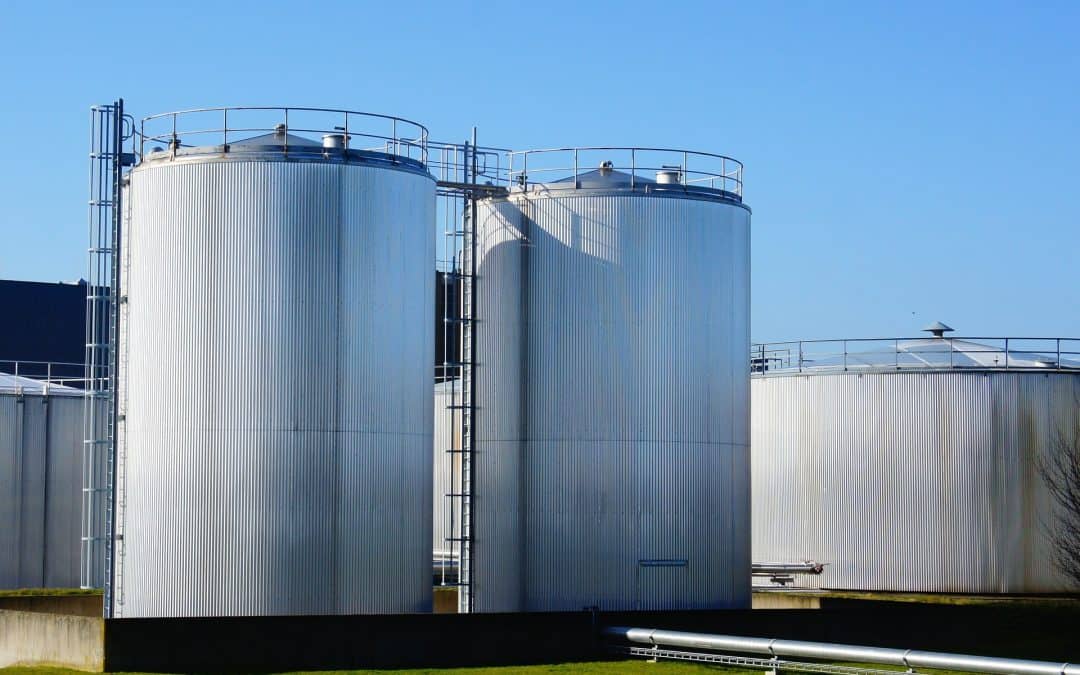
Biodiesel fuel has been receiving a good amount of attention lately. Some potential users are still uncertain about its use. Though many wonder whether it is indeed a reliable fuel for diesel engines, more and more people are jumping on the bandwagon. As such, questions have arisen about storing biodiesel fuel…and rightfully so. It’s something new in the industry. Novice users want to be sure that they’re doing the right thing as far as storage is concerned.
What is biodiesel fuel?
But before we talk about storage, let’s learn a little about the fuel itself.
Biodiesel fuel is renewable and biodegradable. That’s why it’s growing in popularity. It’s made from animal fats, vegetable oils, and recycled restaurant greases. As such, it produces far fewer pollutants than any petroleum-based diesel fuels.
Biodiesel fuel can be used in most diesel engines, especially ones that were manufactured in the last several years. It’s also non-toxic and much safer to handle than traditional diesel fuel. Though it’s currently more expensive, prices are coming down and should continue to decrease in years to come.
Currently, some forms of biodiesel fuel are not suitable for low-temperature locations. However, this could change in the future as different blends are produced.
Storing biodiesel fuel
Biodiesel and petroleum diesel fuels possess different chemical structure. Specifically, the molecules in biodiesel contain unsaturated components. Petroleum diesel contains saturated hydrocarbons. This makes the physical properties of the two kinds of fuel very different.
For example, biodiesel has a higher oxygen content, more lubricity, and can thicken up more quickly at low temperatures. As a result of these and other properties, the storage of biodiesel must differ from storage parameters for traditional petroleum diesel.
Choose the right material
The material your storage container is made of is a major concern. Experts maintain that biodiesel should not be stored or transported in copper, brass, bronze, lead, tin, or zinc. Any of these materials can cause quick degradation of the fuel. Instead, storage containers should be made from steel, aluminum, Teflon®, fiberglass, or fluoridated polyethylene or polypropylene.
Beware of exposure to certain elements
Exposure to certain conditions can also affect the stability of biodiesel fuels. Heat and sunlight are major concerns. So is exposure to oxygen, so those installing a biodiesel storage tank should carefully consider location.
Contact with water/moisture is a huge concern as well. Any water present in the tank or in the pipes of the distribution system can wreak havoc with this fuel. When storage tanks rust due to the presence of moisture, microbes grow in the biodiesel. As a result, it becomes contaminated. Dissolved water in the fuel can also cause acids to form and, eventually, holes can develop in the tank.
To prevent problems with water, tanks should be thoroughly cleaned and dried before the fuel is placed inside. Also, only a very small amount of air space should be present above the fuel. Excess air space allows water from the air to accumulate. In addition, water should be drained off the bottom of the storage tanks as part of regular maintenance checks.
Closely monitor temperature
Storing biodiesel safely and efficiently also means keeping track of the temperature at which it is stored.
The “gel point” of biodiesel can differ depending on the type of fat or oil from which it was made. Biodiesel made from saturated fats tends to gel at higher temperatures than biodiesel from unsaturated fats. As such, it’s important to know the minimum temperature at which it can be stored. If you’re in a cold climate, you may need to make sure that takes are insulated or able to be heated. Another way to combat this problem is to consider an underground storage tank, which can prevent gelling.
Consult an expert
If you’re intrigued by the possibilities of using biodiesel fuel and are considering building a tank or facility for storage, the professionals at Western Oil Services can help you explore your options. We are experts in fuel and fuel storage as well as fuel inspections and maintenance. We can advise you about the parameters of storing biodiesel fuel safely and efficiently.
We’ve worked with a number of commercial, industrial, and institutional clients and can help you draft a plan that fits your needs as well as your budget. To schedule a consultation, contact us at 604-514-4781.
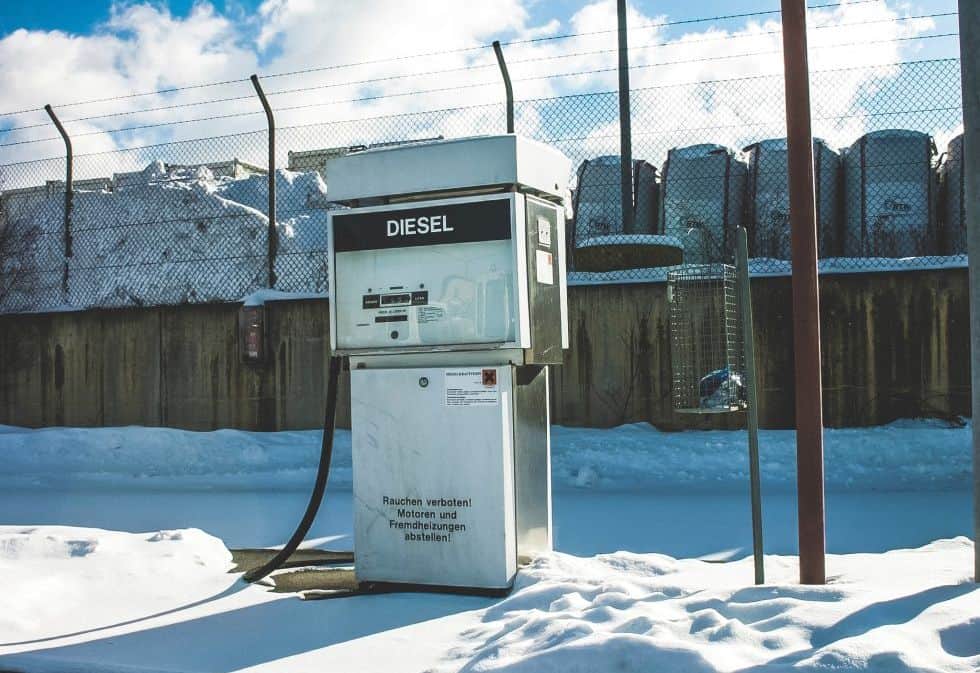
Diesel Fuel Contamination
Storing fuel can be tricky. The backup fuels used to operate generators for emergency use should always be carefully maintained. So should any fuel that’s being stored for a sizeable length of time. If you’re in charge of a fleet of vehicles or any kind of backup system, take note! You or an employee should be making sure that the fuel you’re using is not contaminated in any way. You may get diesel fuel contamination
Indeed, water and microbial growth problems can become a real issue if you’re not practicing fuel maintenance and checking it on a regular basis.
Diesel Fuel Contamination may be contaminated by microbes, fungus, and bacteria, there are signs which indicate that you might be right. Look for these things.
-
Filter replacement
Have you found the need to replace filters much more often than your manufacturer suggests or more often than you used to do? If so, that could be a sure indication that contaminants are present.
-
Fuel injectors
Similar to what’s happening with your filters, your fuel injectors may also need to be cleaned or replaced more often if your diesel contains bacteria or other unwanted contaminants.
-
Nasty odor
You know that rotten egg smell? Well, it could be coming from your generator or anywhere else you’re using backup fuel. Microbes can give off sulfuric acid byproducts that produce that terrible odor.
-
Rings and cylinder liners
If you find that your rings and cylinder liners are wearing out faster than they should be, it could be because acidic byproducts from microbes are causing corrosion. Furthermore, deposits from these byproducts could also wear through the rings and liners, causing holes.
-
Discoloration of fuel
Fresh #2 diesel should be a neon-like bright yellowish green color. If it turns dark, there’s a good chance that it’s been contaminated.
-
Fuel consumption
Do you notice an increase in the amount of fuel you’re using? If so, it could be because contaminated fuel doesn’t burn clean. That means your fuel consumption rate will likely increase.
-
Smoke at startup
When an engine cannot completely combust the fuel, which is often the case when it’s contaminated with byproducts caused by the microbes, you’ll see black smoke at startup.
It’s important to understand that some of these problems will be readily apparent. Others will demand a careful check. In addition, some are more common in vehicles that use diesel. Others will likely be observed in fuel storage and backup systems.
Nonetheless, it’s important to note that microbial contamination is a huge cause of problems in stored fuel of any kind. As a matter of fact, it causes expenses that can be avoided if the proper steps are taken to avoid the formation of contaminants.
How do I keep Diesel Fuel Contamination out?
The easiest way to avoid microbial diesel fuel contamination is to keep water out of your storage tanks. Water buildup can be controlled with certain additives. Stopping the buildup before it starts is obviously ideal. However, if you do develop a problem with microbes, you need to kill them with a biocide. There are a number of such products on the market. Ask your diesel provider or tank manufacturer which is best for your needs.
Of course, periodic testing for microbes can be an even better option. Fuel samples can be taken from your system at regular intervals to determine whether contaminants are present. These tests can give you a clear picture of whether you do indeed have microbial diesel fuel contamination and to what extent. In addition, testing can help you know if you’ve solved the problem once treatments are administered.
At Western Oil Services, we’re experts in fuel and fluid storage. We can assist you in keeping your fuel supply clean and free of microbes, fungus, and bacteria. Our experts service underground or above grade storage tanks and piping as well as dispensing equipment for retail customers, and commercial grade dispensers for card-lock and fleet operations. We also offer preventive maintenance inspections. These can help keep your fuel systems running efficiently.
For more information about Western Oil Services, call us at 800-663-2097.
